
Pulaski Criminal History Checks
A useful Pulaski search begins by naming the event, not by looking for one all-purpose database. The Davis County Sheriff's Office holds county incident and arrest reports and operates the jail. The Clerk of District Court keeps a criminal case after the Davis County Attorney files charges. Iowa DCI keeps a separate, statewide history built from fingerprint submissions and reported outcomes. Each source answers a different question.
Use this five-part path to keep a Pulaski record check tied to official records:
- Call the sheriff with the full name, Pulaski location, event date, and report number if known.
- Ask for the incident or arrest report and a current jail-status check when custody is recent.
- Search Iowa Courts Online with Davis selected as the county and criminal as the case type.
- Request public document images or certified copies from the Davis County Clerk of District Court.
- Order an Iowa DCI name check when the question concerns releasable fingerprint-backed history across Iowa.
The Pulaski search order matters. A Pulaski incident may exist even if prosecutors never file a case. A filed Pulaski case may remain searchable after custody ends. A DCI response can omit older unresolved arrests when no signed release is provided. Comparing the correct Pulaski channels gives far more context than treating one name result as a final answer.
No Pulaski Police Records Portal
No official Pulaski police department, records bureau, jail, arrest log, warrant list, case portal, or public-safety app was identified in the local research. That is a practical finding, not an access dead end. Countywide law enforcement routes Pulaski calls and records to the sheriff at 100 Courthouse Square in Bloomfield. Emergencies still use 911, while public-record questions use the sheriff's published office line, 641-664-2385.
A Pulaski request should state the exact Pulaski address or location, date and time, names tied to the event, and the incident number when available. It should also name the Pulaski record wanted, such as the officer narrative, arrest report, dispatch entry, booking record, or accident report. A narrow request helps staff find the right file and identify any portion that Iowa law protects.
Do not substitute a mugshot site or people finder for the absent Pulaski portal. Those sites do not control the original report, booking status, or court disposition. The official absence makes a phone and records-request path necessary.
Records at the Pulaski Police Department
Pulaski does not publish an independent police department. The Davis County sheriff is the primary local law-enforcement records custodian for Pulaski incidents. Sheriff records can include an officer narrative, incident facts, arrest grounds, report numbers, and booking details when county deputies handled the matter. The office publishes a $4 price for an incident, accident, or general report. Staff may add preparation or media costs when the request requires more work or a DVD or flash drive.
The Pulaski release method is a key local limit. The sheriff says Pulaski reports must be picked up in person or may be faxed after payment. The official page does not promise an email download, mailed packet, card payment, or city web account. Call first to confirm that the Pulaski record exists, what part is open, how payment must be made, and whether staff can fax it. Chapter 22 can support a request for an existing public record, but it does not require the sheriff to create a new summary.
Davis County Sheriff's Office
100 Courthouse Square
Bloomfield, IA 52537
641-664-2385
sheriff@daviscountyiowa.org
Pulaski Criminal Dockets by County
A criminal event in Pulaski does not create a Pulaski court database. State charges are filed in the Iowa District Court for Davis County, part of Judicial District 8. Search the free Iowa Courts Online Electronic Docket Record Search by a person's name or a full case ID, then narrow the county to Davis. Check the party details, filing date, charge entries, and disposition rather than relying on a name alone.
The Pulaski docket is an index. It can show a case number, parties, charge descriptions, Iowa Code sections, filed events, hearings, judgments, sentence entries, and public financial information. It does not replace the Pulaski deputy's report, and the free public view may identify a filing without displaying its image. Public document images are available on the courthouse terminal where the Pulaski case was filed. The clerk can also address a certified-copy or archived-record request.
The official PACER source shows how federal court records use a separate system.
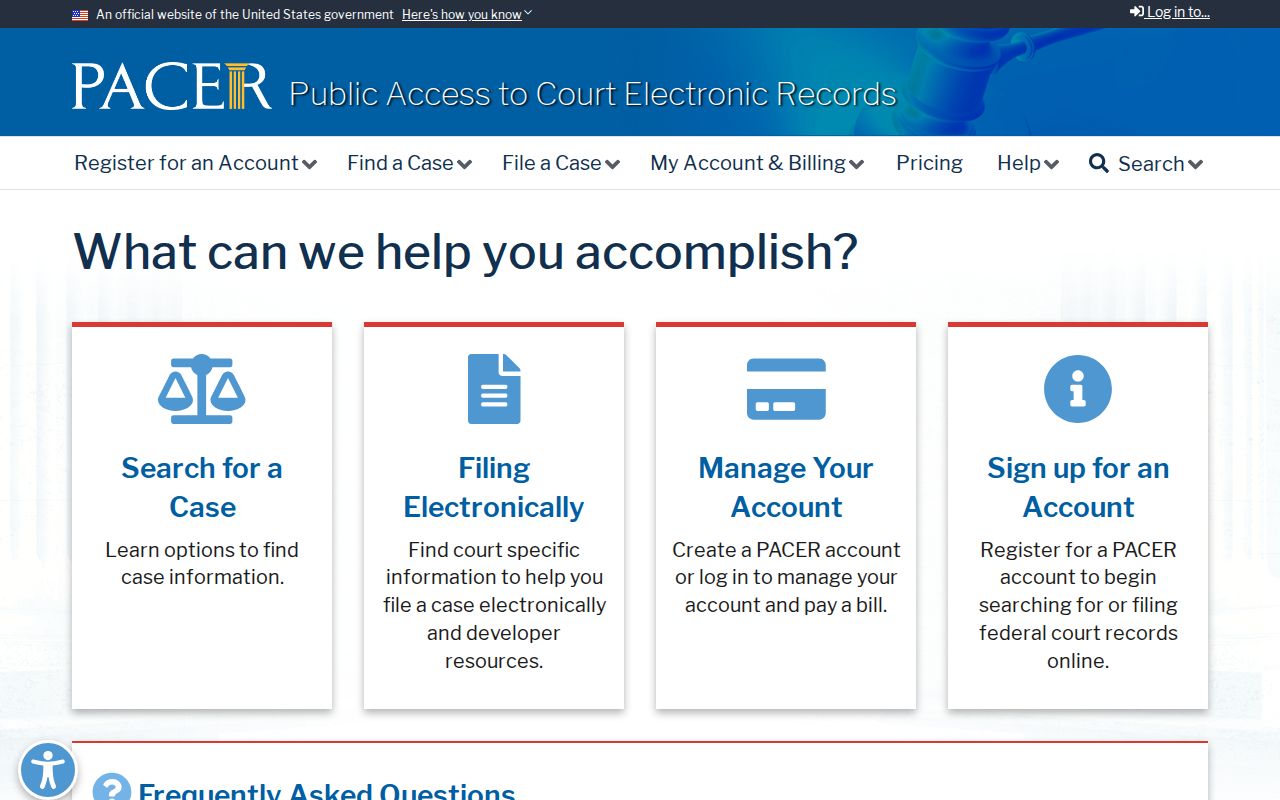
PACER is relevant only when the Pulaski matter is federal; ordinary Iowa charges remain in the Davis County district docket.
Booking and Arrest Records in Pulaski
A Pulaski arrest moves into the county system because no city jail is identified. The arresting officer creates the agency record, and Davis County Jail creates the booking and custody record. Intake can include the booked name, booking number, date and time, arresting agency, charge descriptions as received, bond or hold details, fingerprints, photograph, and later release or transfer data. Medical, juvenile, victim, and security information may be withheld.
Davis County does not publish a live jail roster or recent-booking blotter. For a new Pulaski arrest, call the sheriff with the person's full name, date of birth if known, and approximate Pulaski booking time. Ask whether the person is held, released, or transferred, which court controls the Pulaski case, and what bond information is public. A court charge may differ from the charge shown at booking because the county attorney makes the filing decision.
Once a sentence leads to state custody, the channel changes. The Iowa DOC Search Offenders portal can be searched by name, offender number, offense, location, or County of Commitment set to Davis.
Pulaski Booking Enters County Records
The Pulaski location helps identify where an event occurred, but the record path soon becomes countywide. A deputy documents the incident and any arrest. Jail staff establish identity, record custody facts, and take fingerprints. The county attorney then reviews the officer report and decides whether to file a complaint or trial information. The clerk opens the court file only after a filing reaches the district court.
Pulaski record path: Sheriff report › Davis County Jail booking › Davis County Attorney review › District Court docket › Iowa DCI disposition.
This Pulaski sequence explains why dates and labels can differ. Pulaski booking reflects the allegation at intake. The court file reflects the charge that was filed, amended, dismissed, or resolved. DCI depends on fingerprint and disposition reporting. A lag at one stage does not prove the earlier Pulaski event did not occur.
For older custody, the official federal inmate locator illustrates the separate federal channel.
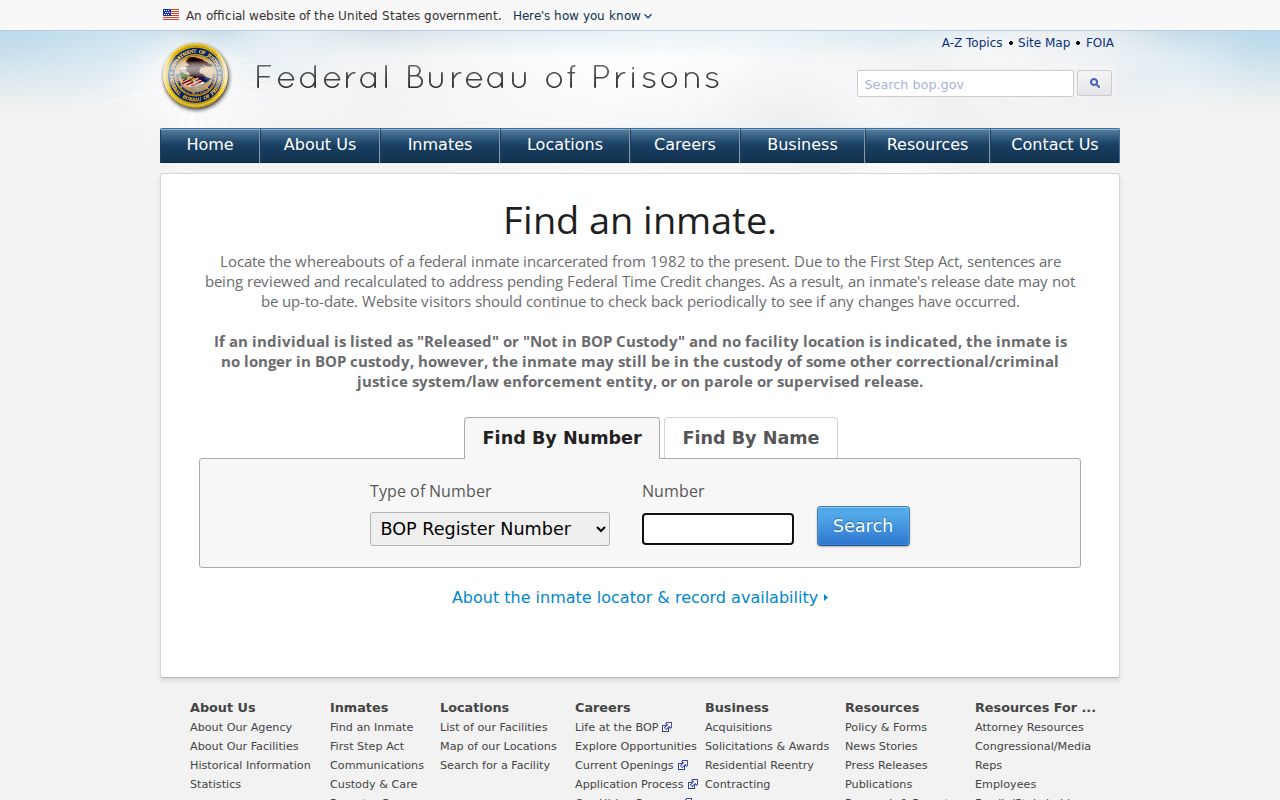
The federal locator should not be used for a person held at Davis County Jail or committed to the Iowa Department of Corrections.
The Pulaski Municipal Court File
No separate Pulaski municipal criminal court or court-search portal was identified. Iowa's unified district court handles state criminal cases filed from Pulaski. A city administration question about an ordinance remains distinct from a misdemeanor or felony prosecution. When the event produced a state citation or criminal charge, use the Davis County filter in Iowa Courts Online and contact the Davis County clerk for the actual public filing.
| Court Name | Iowa District Court for Davis County, Judicial District 8 |
|---|---|
| Case Types Heard | Felonies, aggravated and serious misdemeanors, and simple misdemeanors filed in district court |
| Case Lookup Channel | Iowa Courts Online by name or case ID, with county set to Davis |
| What the Docket Shows | Parties, charges, events, hearings, public judgments, sentence entries, and financial data |
| Copies & Fees | Public images at the Davis County courthouse terminal; ask the clerk about current copy or certification charges |
New Pulaski citations may take fourteen to twenty-one days to appear in the court payment system. A short Pulaski delay should lead to a clerk call, not a claim that no Pulaski case exists.
Pulaski Report or State History
A sheriff report and an Iowa DCI result are not interchangeable. The Pulaski incident report describes one local event and may include officer observations, location details, and the arrest basis. The DCI product is a $15-per-last-name search of releasable Iowa fingerprint-backed history. It is broader by geography but thinner on the narrative of any one event.
| Source | Best Use | Main Limit |
|---|---|---|
| Sheriff report | One Pulaski incident or arrest | Agency-specific and subject to redaction |
| District Court docket | Filed charge and final case result | Not the full evidence or police file |
| Iowa DCI check | Releasable statewide fingerprint history | Release rules affect some nonconviction data |
For a Pulaski self-review, a signed release helps DCI return completed deferred judgments and arrests older than eighteen months that have no final disposition. A “No Iowa Criminal History Found” response can also mean that no Pulaski information is releasable under those rules. Compare it with the Pulaski incident and Davis County court record before drawing a conclusion.
How Pulaski Records Reach the County
Pulaski records reach county offices because the town does not maintain the separate criminal-record systems assumed by the city template. The sheriff holds the local law-enforcement and booking side. The Davis County Attorney decides the state charge. The Clerk of District Court maintains the filed case. Iowa DCI receives fingerprint-supported arrest and disposition data for its central repository.
Record flow: Pulaski sheriff response › Davis County Jail › Iowa District Court for Davis County › Iowa Department of Public Safety, Division of Criminal Investigation.
The best Pulaski source depends on time. Call the sheriff for a Pulaski event that happened today. Use the court docket after Pulaski charges are filed. Use DCI for a releasable statewide history after agencies report the event and outcome. The wider Davis County criminal history overview covers the county offices in more depth.
Pulaski State and Federal Records
When a Pulaski case results in state commitment, search Iowa DOC by name or offender number and choose Davis as County of Commitment. The public locator says it is refreshed weekly, so it should not replace a call to the sheriff about a very recent booking. A DOC profile can show status, offense, commitment county, sentence dates, and institution or supervision location. It does not supply the Pulaski officer narrative or full district-court docket.
The federal system is narrower still. An FBI Identity History Summary is the subject's own federal fingerprint-history product. The FBI Electronic Departmental Order portal is the official electronic request channel.
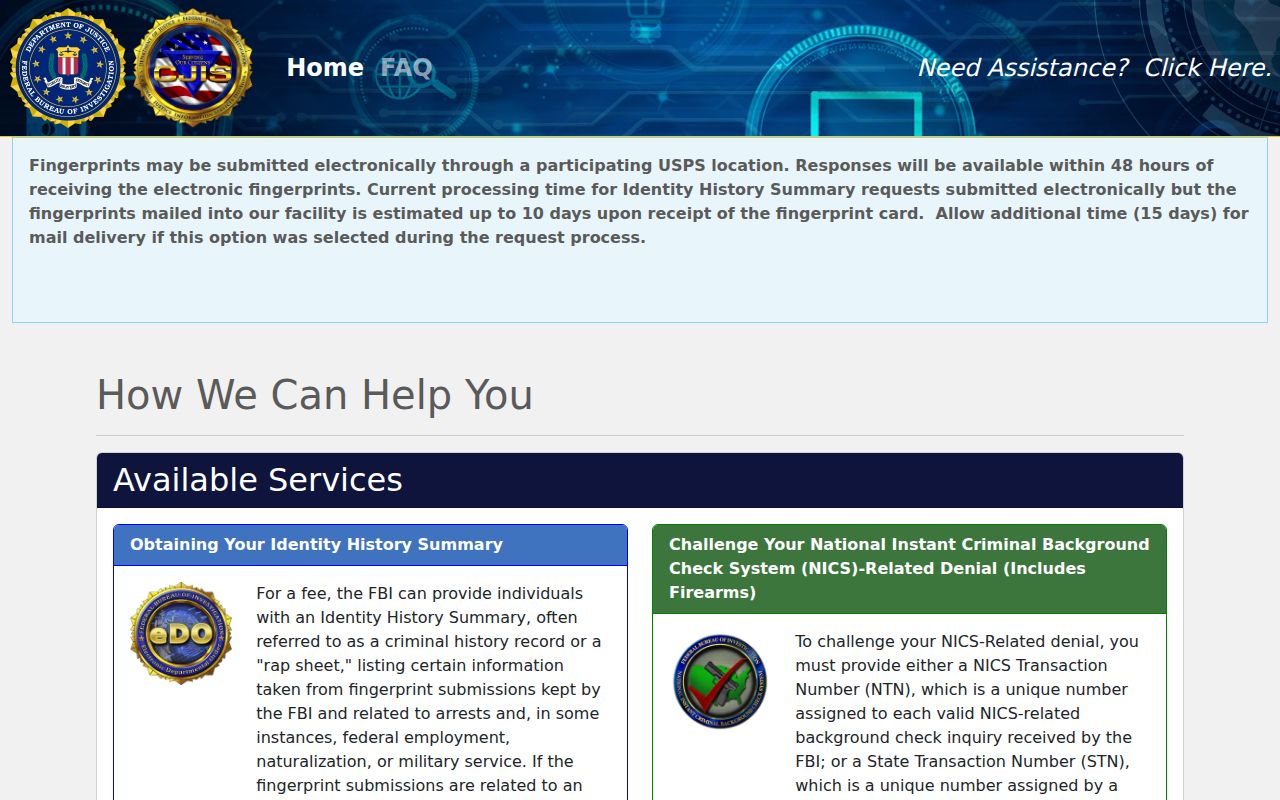
The FBI request does not replace a Davis County report or a Pulaski case file because local events may be absent if they were never sent to the federal repository.
Pulaski Record Search Gaps
No result in one system is not proof that no Pulaski incident occurred. A recent citation can wait days before posting. A sheriff report can exist without a filed charge. A court docket can show a dismissal that is not yet reflected in another system. DCI can withhold some older unresolved arrests and completed deferred judgments when the subject has not signed a release.
If Pulaski records disagree, begin with the original custodian. Ask the sheriff to confirm the Pulaski incident or booking data. Ask the clerk for the filed Pulaski disposition. A person reviewing their own DCI history may use Iowa Code section 692.5 to access and challenge state criminal-history data. Fingerprints can help resolve a name mix-up because DCI records begin with a fingerprint submission.
The sentencing statute pages are useful when a Pulaski docket uses only an offense class. The official Iowa felony chapter provides the source for felony sentencing rules.
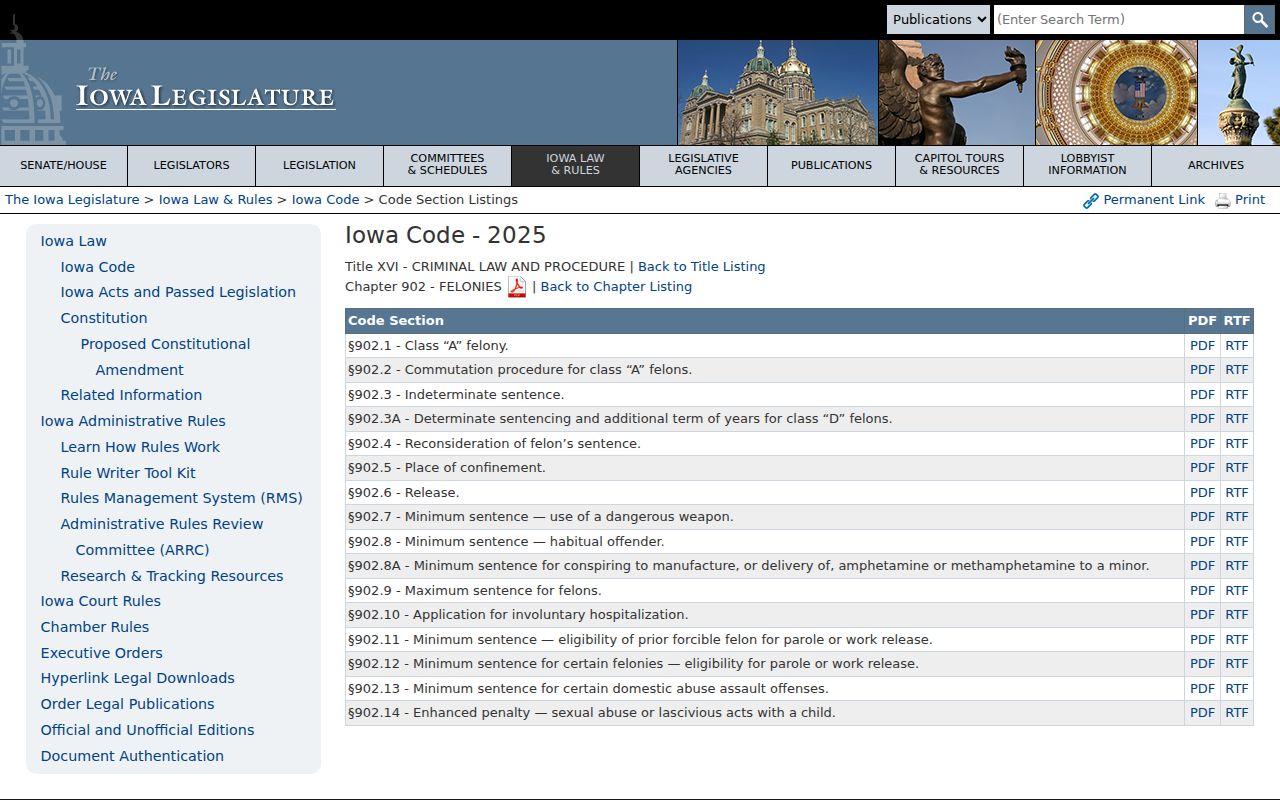
The court judgment remains the controlling record of the sentence imposed in the individual Pulaski case.
Pulaski Record Access Rules
Iowa's access rules apply even though Pulaski lacks a stand-alone records office. Chapter 22 gives the public a right to inspect and copy open Pulaski records held by the proper government body. It does not override confidential categories in section 22.7. Agencies may redact protected victim details, juvenile information, medical data, Social Security numbers, active investigative material, and other confidential Pulaski content while releasing an open portion when it can be separated.
Key Statutes:
Iowa Open Records Law, chapter 22 gives access to existing open records while preserving listed confidentiality rules.
Iowa Code chapter 692 controls DCI dissemination, public criminal-history information, self-access, and challenges.
Iowa Code section 901C.2 governs qualifying acquittal and dismissal expungement after its conditions are met.
The official Iowa misdemeanor sentencing chapter is a separate source for offense-level rules shown in Pulaski case records.
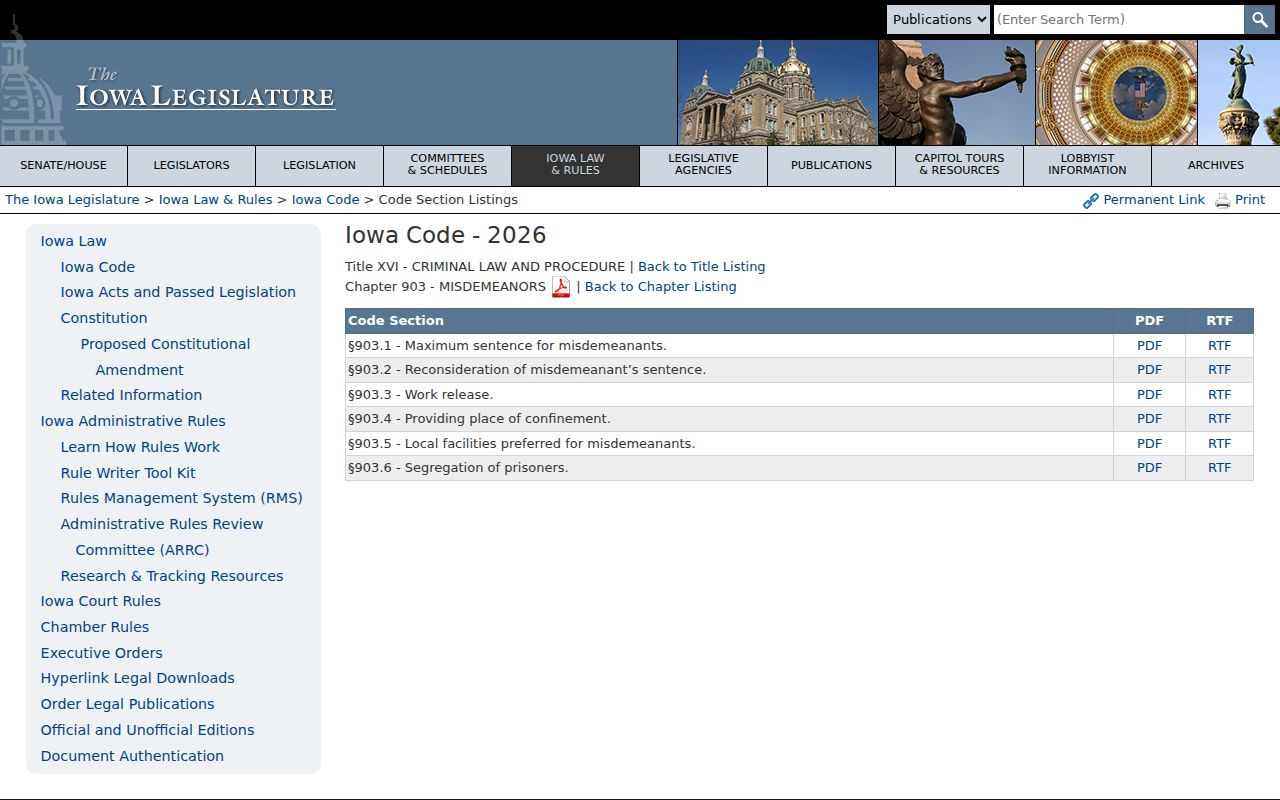
Read the current statute together with the filed charge and final judgment because offense-specific law can change the general sentencing range.